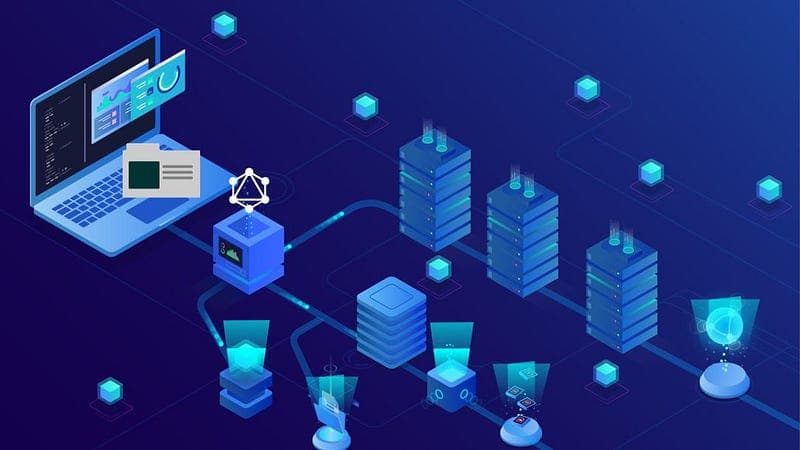
GraphQL is a robust query language and runtime that allows developers to request and manipulate data flexibly. Its flexibility, though, can sometimes lead to potential security vulnerabilities if not managed correctly.
I am sharing with you some techniques you can use to secure your GraphQL APIs and keep your applications safe.
Validate and Limit Query Depth
Deeply nested queries can lead to performance issues and Denial of Service (DoS) attacks. To mitigate this risk, limit the depth of queries allowed by implementing a validation rule that calculates the query’s depth and compares it to a predefined maximum depth. Reject queries that exceed this limit.
Implement Throttling and Rate Limiting
Throttling and rate limiting help prevent resource exhaustion and protect your API from DoS attacks. By limiting the number of requests a client can make within a specific time frame, you can ensure that your server doesn’t become overwhelmed. GraphQL services like Apollo Server provide built-in support for rate limiting, or you can implement custom middleware to achieve the same effect.
Use Authentication and Authorization
Always authenticate and authorize users before they can access your GraphQL API. Implement a robust authentication mechanism, such as OAuth or JSON Web Tokens (JWT), to verify user identities. Once authenticated, use role-based or attribute-based access control (RBAC or ABAC) to manage user permissions and ensure they can only access the data they’re authorized to see.
Apply Input Validation
Input validation is essential to protect your GraphQL API from malicious payloads and injection attacks. Use GraphQL’s type system to enforce strict validation rules, ensuring the input data matches the expected types and formats. Additionally, consider using third-party libraries like ‘graphql-depth-limit’ or ‘graphql-input-validator’ to strengthen input validation further.